
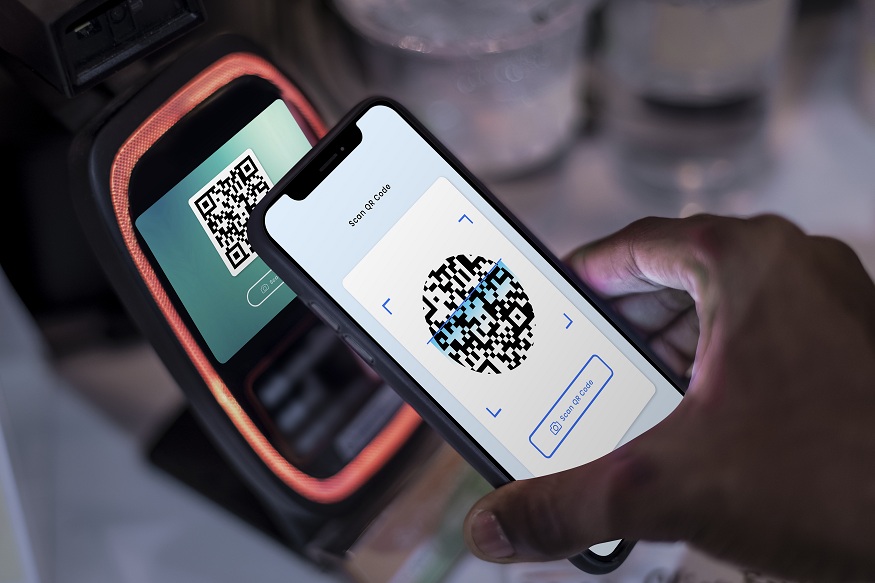
In a world where financial systems often cater primarily to the affluent, leaving the most vulnerable out in the cold, India has embarked on a transformative journey towards financial inclusion. The launch of the Unified Payments Interface (UPI) has not only revolutionised digital payments but has also played a pivotal role in redefining financial inclusion. By transcending the limitations of traditional banking, UPI apps have become powerful tools in bridging the financial gap for millions. This article delves deep into how UPI apps are reshaping the financial landscape and promoting inclusion in India.
The Challenge of Financial Inclusion in India
Financial inclusion, or the access to affordable and essential financial services, has long been a challenge in a diverse country like India. Despite significant advancements over the years, large sections of the population have continued to remain outside the formal financial system. Factors such as geographical barriers, lack of awareness, and the complexities of traditional banking have hindered progress.
However, in a digital age where smartphones are ubiquitous, UPI apps have emerged as a beacon of hope. They have dismantled several barriers, offering a seamless and accessible platform for everyone, from urban entrepreneurs to rural farmers and daily wage earners.
Unpacking the UPI Phenomenon
Launched in 2016, the UPI system was developed by the National Payments Corporation of India (NPCI). What makes it stand out is its ability to facilitate instant and secure transactions between bank accounts through a mobile interface. Users can transfer money, pay bills, and conduct almost any financial transaction imaginable, all with a few taps on their smartphones.
Read More:How Depreciation Schedules Differ Between Car Loan and Motorcycle Loan Products
The beauty of UPI lies in its simplicity and efficiency. By enabling interoperability among banks, it does away with the need for multiple banking apps, complicated account numbers, and lengthy processing times. This user-friendly approach has encouraged digital adoption across demographics that were previously unbanked.
How UPI Apps Foster Financial Inclusion
1. Democratizing Financial Services
UPI apps have made financial services accessible to all, transcending the urban-rural divide. Even those in the remotest villages can now access banking services without needing to step into a bank. This is a game-changer for India, where a significant portion of the population resides in rural areas with limited access to physical bank branches.
In addition, the registration process is straightforward, requiring minimal documentation. This ease of access brings the unbanked into the financial fold, enabling them to save securely, access loans, and build credit histories.
2. Empowering Women
In a country where gender disparities are prevalent, UPI app are empowering women by giving them direct control over their finances. By reducing dependence on male family members for transactions or cash-related decisions, women can now manage their own financial affairs. This financial independence boosts their confidence and encourages more significant participation in household and community economic activities.
3. Driving Small Business Growth
Micro, small, and medium enterprises (MSMEs) form the backbone of the Indian economy. Yet, many face challenges in accessing formal credit due to lack of documentation or credit histories. UPI apps have streamlined payment processes by enabling instant receipts and payments. Furthermore, these apps serve as formal records of transactions, helping small businesses demonstrate creditworthiness.
The usage of UPI in business transactions also reduces the need for cash handling, minimising risks and promoting transparency. In a sense, UPI apps are not just levelling the playing field; they are paving it with equal opportunities.
4. Encouragement of Formal Economy Participation
India has been battling the issue of a significant informal economy, with undeclared or unrecorded transactions commonplace. UPI’s digital trails ensure all transactions are recorded, encouraging businesses and individuals to transition towards the formal economy. This shift supports better economic planning and governance.
5. Bridging Language and Literacy Gaps
One of the hurdles in achieving financial inclusion is the linguistic diversity and varying levels of literacy across India. UPI apps have mitigated this by offering interfaces in multiple local languages and utilising intuitive design principles that cater to users with low literacy levels. Voice-driven technologies and assistance features make the platforms even more inclusive, ensuring that no one is left behind due to language or literacy barriers.
Real-World Impact of UPI Apps
Let us shed some light on real-world exemplars illustrating the success of UPI in driving financial inclusion:
Case Study: Digital Sakhi Initiative
The Digital Sakhi initiative in Maharashtra has been instrumental in leveraging UPI apps to empower rural women. By providing digital financial literacy training and facilitating the usage of UPI apps, the programme has enabled women to manage their finances and even support their small businesses digitally. Such positive outcomes underline the transformative potential of UPI apps at the grassroots level.
Rural Penetration and Covid-19
The importance of UPI apps was further highlighted during the Covid-19 pandemic, where social distancing norms necessitated contactless payments. UPI apps ensured continuity in financial transactions, even in lockdowns, allowing people to transfer funds effortlessly while adhering to safety protocols. This adaptability demonstrated that UPI is more than a payment system; it is a lifeline for maintaining financial stability in uncertain times.
Challenges and the Way Forward
While UPI apps have brought significant progress in financial inclusion, challenges remain. Digital literacy is still a hurdle for some sections, and there are concerns around cybersecurity and fraud. Increased education, robust policy frameworks, and continued technological innovation will be essential to addressing these issues.
The potential for UPI to integrate with other innovative technologies like blockchain, artificial intelligence, and machine learning could further enhance security and functionality, providing additional layers of convenience and protection for users.
Read More:Motor Insurance Tasks Becoming Smoother With Basic App Features
Conclusion: A Future Redefined
UPI apps have fundamentally reshaped the landscape of financial inclusion in India by dismantling traditional barriers and setting the stage for a more inclusive financial future. By promoting accessibility, empowering women, boosting small enterprises, and encouraging participation in the formal economy, they are not merely transforming payments; they are transforming lives.
As we look towards the future, the continued evolution of UPI apps and their integration with emerging technologies will only strengthen their role in achieving financial inclusivity for all. The quest is ongoing, but the foundation has been laid, and the potential is enormous. It is up to policymakers, educators, technologists, and communities to harness this potential and truly transform the financial fabric of India.
In conclusion, as Indians, we are not just witnessing a digital payment revolution; we are witnessing a movement towards prosperity and empowerment. And in this movement, UPI apps are leading the charge.