
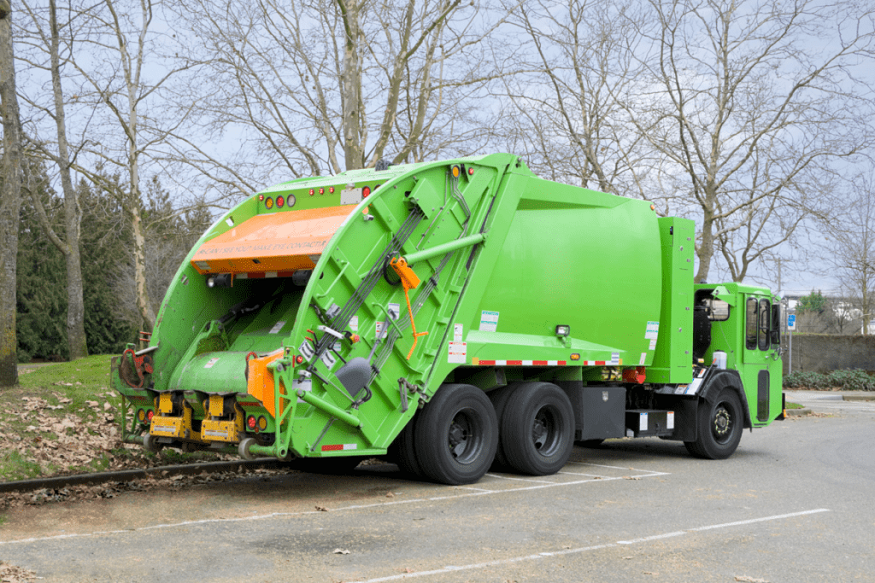
Rear loader trucks are a mainstay in modern waste management, widely used by municipalities, private contractors, and industrial operators. Their simple yet effective design, combined with robust hydraulic systems, makes them ideal for collecting a wide range of waste types. Understanding their design and working principle helps operators, fleet managers, and buyers optimize performance, safety, and durability.
Basic Design Overview
A rear loader truck consists of several key components: the chassis, cab, rear hopper, hydraulic compaction system, storage body, and tailgate with an ejector mechanism. The chassis forms the structural foundation, supporting all other components and providing stability. The cab houses the driver and control systems, offering visibility, ergonomic controls, and safety features. The rear hopper is the primary loading area, designed to receive waste manually from workers.
Read More:Asphalt Paving Utah Contractors Near You: Finding the Best Team
Storage Body and Compaction System
The storage body holds the collected waste and is constructed from reinforced steel to withstand repeated compaction cycles and heavy loads. A hydraulic compaction system compresses the waste into the body, increasing the truck’s payload capacity. This system typically includes hydraulic pumps, cylinders, rams, and control valves, allowing the operator to adjust compaction based on waste type. Strong compaction reduces trips to disposal sites and improves operational efficiency.
Rear Hopper Functionality
The rear hopper is designed for easy and safe manual loading. Workers can deposit bags, bins, bulky items, or loose materials directly into the hopper. Anti-slip surfaces, wide openings, and reinforced steel construction ensure durability and operator safety. The hopper feeds waste into the compaction system, which moves it into the storage body for transportation.
Tailgate and Ejector Mechanism
The tailgate and ejector mechanism enable the truck to unload waste efficiently at disposal sites. The tailgate opens hydraulically, while the ejector blade pushes compacted waste out of the body smoothly. This system ensures complete emptying, reduces manual labor, and prevents waste from sticking inside the truck body.
Working Principle
The working principle of a rear loader truck is straightforward yet effective:
- Loading: Workers deposit waste into the rear hopper.
- Compaction: The hydraulic system compresses the waste into the storage body using a ram or blade.
- Storage: Compacted waste accumulates in the storage body, maximizing payload capacity.
- Transport: The truck drives to the disposal site with optimized load distribution.
- Unloading: The tailgate opens and the ejector blade pushes waste out of the body for disposal.
This cycle repeats continuously during collection routes, allowing for efficient and flexible waste management.
Safety and Control Features
Modern rear loader trucks incorporate safety mechanisms such as rear-view cameras, emergency stop controls, audible alarms, and interlocks to prevent accidental operation. Control panels provide real-time information on hydraulic pressure, compaction cycles, and system alerts, ensuring smooth and safe operations.
Advantages of the Design
The design of rear loader trucks provides several operational advantages:
Read More:CMS for Media Company: Supporting Multilingual Media Websites
- Versatility: Can handle varied waste types, including bulky and irregular items.
- Efficiency: High compaction reduces trips to disposal sites.
- Durability: Reinforced steel components withstand heavy loads.
- Maneuverability: Compact design allows easy navigation in urban areas.
- Cost-effectiveness: Simpler systems reduce maintenance and repair costs.
Conclusion
The rear loader truck’s design and working principle make it an essential vehicle in modern waste management. Its combination of durable construction, hydraulic compaction, and flexible loading capability allows operators to manage residential, commercial, industrial, and bulky waste efficiently. By understanding the truck’s design and operational workflow, fleet managers can maximize efficiency, safety, and longevity in their waste collection operations.